
The Adirondack Mountains region spans a vast stretch of upstate New York, from the southern gateway of Lake George and Saratoga Springs to the remote northern corridors near Massena and the St. Lawrence River. Motels here aren't a budget compromise - they're the most practical lodging format for road-trippers, hikers, and seasonal visitors who need drive-up access, no elevator waits, and easy departure times. This guide covers 4 motels across key Adirondack access points to help you choose the right base for your itinerary.
What It's Like Staying in the Adirondack Mountains
The Adirondack Mountains region is a 6-million-acre park - the largest publicly protected area in the contiguous United States - encompassing over 100 towns, villages, and hamlets. Unlike urban destinations, there is no single hub: lodging clusters around entry points like Lake George, Saratoga Springs, and the northern St. Lawrence corridor. Car travel is non-negotiable here; public transit barely exists outside Saratoga Springs, and distances between attractions can easily exceed 40 miles. Peak summer season (July-August) and fall foliage season (late September-October) bring heavy road and accommodation pressure, especially around Lake George village.
Pros:
- Direct car access to trailheads, lakes, and state forest roads without urban parking stress
- Motels along key routes offer genuine flexibility - early check-out for dawn hikes is standard
- Southern gateways like Saratoga Springs provide cultural amenities (racing, museums, dining) alongside wilderness access
Cons:
- No walkable urban core - a car is required for every meal, activity, and supply run
- Peak-season rates spike sharply, especially in Lake George and during Saratoga's racing season in August
- Remote northern locations near Massena feel isolated - limited dining and evening activity options
Why Choose a Motel in the Adirondack Mountains
Motels dominate the practical lodging landscape across the Adirondack region precisely because the travel pattern here is car-based and activity-driven. Drive-up room access means gear-heavy travelers - kayakers, cyclists, hikers - can load and unload without navigating lobbies or luggage carts. Motel rates in this region typically run 30-50% lower than comparable resort or inn options, making multi-night stays financially viable. Room sizes at Adirondack-area motels tend to be straightforward - queen or double configurations with functional amenities - but properties near Lake George and Saratoga Springs often include outdoor pools and BBQ areas that mirror resort-style perks at a fraction of the cost. Trade-offs include thinner walls in older roadside properties and limited on-site dining, but for travelers spending most daylight hours outdoors, the format prioritizes where it matters most.
Pros:
- Drive-up room access is practical for outdoor gear, kayaks, bikes, and early departures
- Lower nightly rates allow budget to be redirected toward activities, dining, and park fees
- Seasonal outdoor pools and BBQ areas at several properties add recreational value without resort pricing
Cons:
- On-site dining is minimal or absent - meal planning requires knowing nearby options in advance
- Older motel stock in smaller towns can mean dated interiors and inconsistent soundproofing
- Limited concierge-style services - travelers needing trip planning support must research independently
Practical Booking & Area Strategy for Adirondack Motels
Positioning matters significantly across this large region. Lake George village is the most tourist-dense hub, offering direct access to the lake, outlet shopping, and Adirondack trail networks - motels here book out weeks ahead during July and August. Saratoga Springs, roughly 35 miles south of Lake George, provides a more polished base with restaurants, the historic racetrack, and the Saratoga Performing Arts Center within a few miles; it suits travelers who want cultural amenities alongside park access. The northern zone around Massena sits near the St. Lawrence River and the Moses-Saunders Power Dam, appealing to anglers and those exploring the less-trafficked northern Adirondacks - with far lower accommodation pressure year-round. For fall foliage, book at least 6 weeks in advance for any Lake George or Saratoga-area motel, as the corridor fills entirely. Budget travelers flexible on dates will find the best rates in May-June and mid-October onward, when crowds thin but conditions remain excellent for hiking and cycling.
Best Value Stays
These motels offer the strongest practical value for budget-conscious travelers exploring the Adirondack Mountains, with functional amenities and strategic locations near key access points.
-
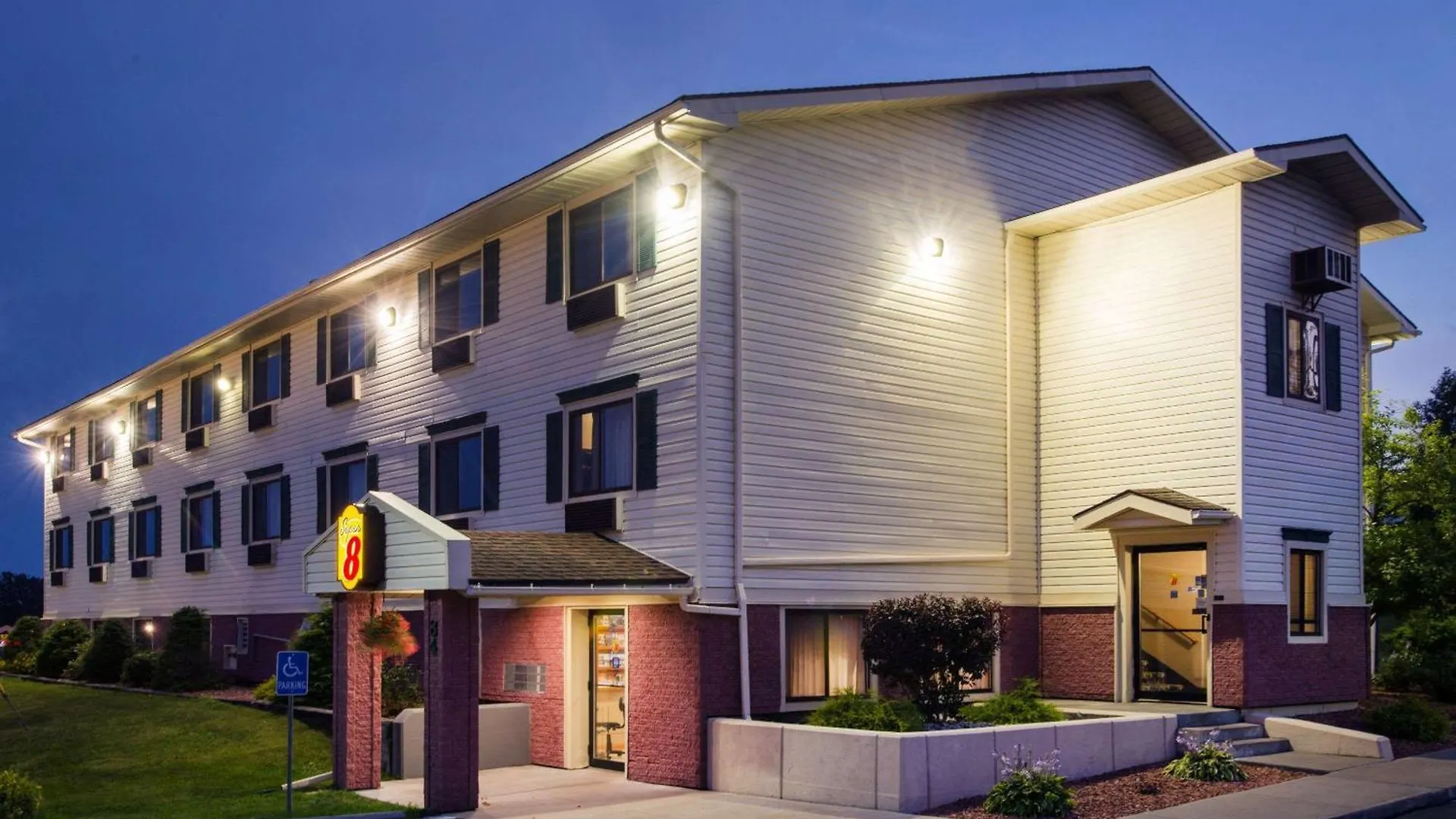
1. Super 8 By Wyndham Massena Ny
Show on map


 Check-infrom 13:00 until 23:59Check-outuntil 11:00
Just a few rooms left at the best rate!
fromUS$ 105
-
2. Birches Motel
Show on map


 Check-infrom 15:00 until 23:59Check-outuntil 10:00
Just a few rooms left at the best rate!
fromUS$ 120
Best Premium Stays
These motels offer elevated amenity sets and stronger proximity to high-demand Adirondack destinations, justifying higher nightly rates for travelers who prioritize location and added facilities.
-
3. Brentwood Hotel
Show on map


 Check-infrom 16:00 until 20:00Check-outuntil 11:00
Hurry – almost gone at this price!
fromUS$ 109
-
4. Amber Lantern Motel
Show on map


 Check-infrom 15:00 until 23:59Check-outuntil 11:00
Rooms filling fast – secure the best rate!
fromUS$ 145
Smart Travel & Timing Advice for Adirondack Motels
The Adirondack Mountains experience two sharp demand peaks: summer (July-August), driven by Lake George water activities and family vacations, and fall foliage (late September to mid-October), which draws leaf-peepers across the entire region. August is the single most expensive and fully-booked month, compounded by Saratoga's racing season running simultaneously - Saratoga Springs motels in particular can sell out 8 weeks in advance during this window. Winter (December-March) brings snowmobile and ski visitors to the high peaks area around Lake Placid, but the southern Adirondack corridor near Saratoga and Lake George goes significantly quieter, with motel rates dropping substantially. May and June offer the best balance of mild weather, open trails, and lower accommodation rates before the summer rush begins. For most itineraries focused on hiking, paddling, or cycling, 3 nights is the practical minimum to cover driving distances between trailheads without feeling rushed.


